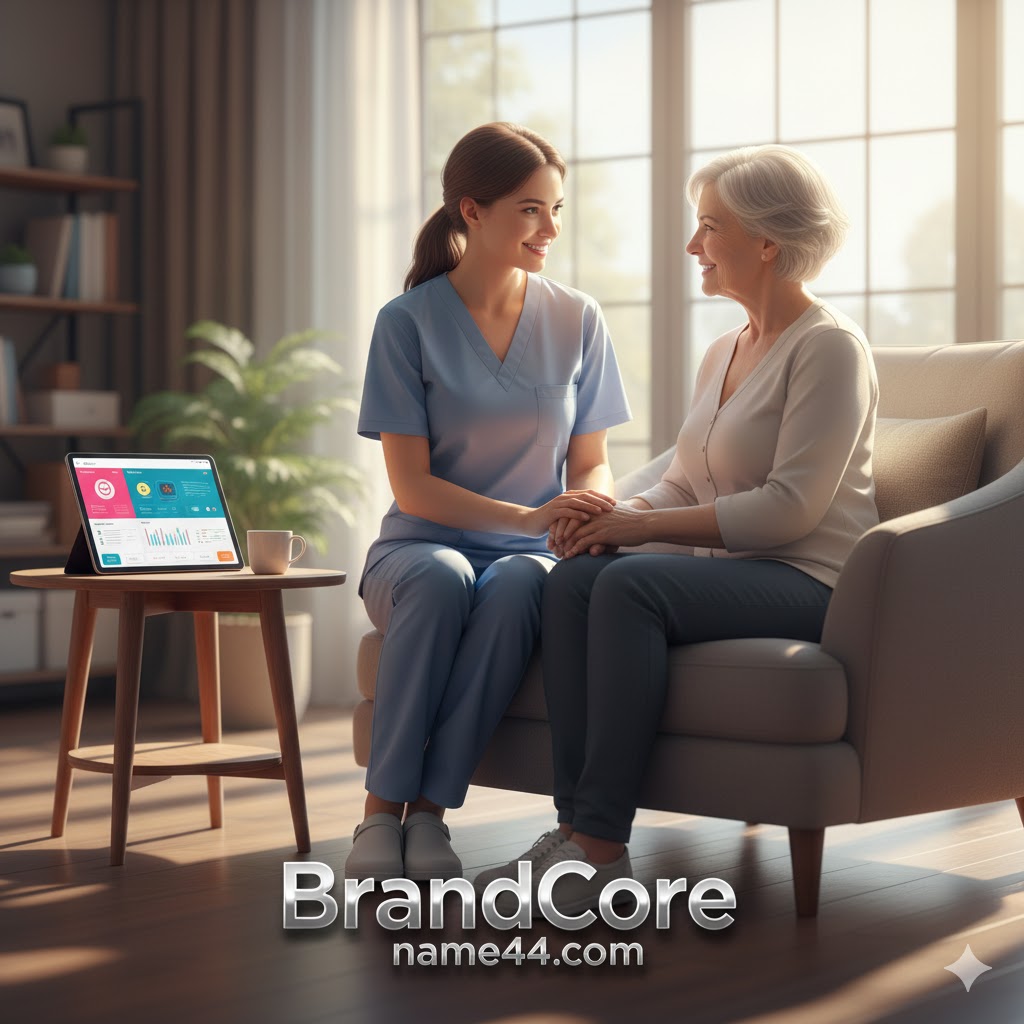
Figure 1: The demand for compassionate in-home care is skyrocketing across the US.
Last Updated: December 2025 | By: BrandCore Team
The statistics are undeniable. By 2030, all “Baby Boomers” will be older than 65. In 2026, we are standing at the precipice of the largest demographic shift in American history, often referred to as the “Silver Tsunami.” This generation is living longer, but they are adamant about one thing: they do not want to go to nursing homes. They want to “age in place” in the comfort of their own homes.
This creates an unprecedented demand for Non-Medical Home Care Agencies. Unlike home health agencies (which require nurses and doctors), non-medical care focuses on “Activities of Daily Living” (ADLs) such as bathing, meal prep, and companionship. For entrepreneurs, this is a business with a dual bottom line: high profitability potential and a profound social impact.
However, starting a home care agency is not as simple as hiring a babysitter. It involves navigating complex state licensures, solving the “caregiver shortage” crisis, and building a brand that families can trust with their most vulnerable loved ones. This comprehensive 2026 Business Plan & Feasibility Study will guide you through every step of building a scalable agency.
1. Market Analysis: The “Silver Economy” in 2026
The US home care market is expected to reach a valuation of over $250 billion by the end of 2026. This growth is not just driven by population numbers, but by the rising cost of institutional care. The average cost of a private room in a nursing home has surpassed $110,000 annually, making home care ($28-$35/hour) a financially necessary alternative for many families.
Key Trends Shaping 2026
To succeed, your agency must align with these emerging market realities:
- Tech-Integrated Care: Families now expect “Electronic Visit Verification” (EVV). They want an app where they can see that Mom took her meds and that the caregiver arrived on time. Agencies without this tech stack will become obsolete.
- Specialization over Generalization: General companionship is competitive. The real money is in niche care: Dementia/Alzheimer’s certified care, post-surgical recovery support, or palliative non-medical support.
- Value-Based Care Contracts: Insurance companies and Medicare Advantage plans are increasingly paying for non-medical home care if it prevents hospital readmissions. Positioning your agency to partner with hospitals is a massive growth lever.
2. Defining Your Service Model
It is critical to distinguish between “Home Health” (Medicare-certified, requires nurses) and “Home Care” (Private pay, requires caregivers). This guide focuses on the Non-Medical Home Care model, as it has a lower barrier to entry.
Core Service Offerings
You will be selling “Peace of Mind” through the following services:
- Personal Care (ADLs): Assistance with bathing, grooming, dressing, and toileting. This requires higher-skilled caregivers (CNAs or HHAs) and commands a higher hourly rate.
- Companion Care (IADLs): Instrumental Activities of Daily Living. This includes light housekeeping, meal preparation, medication reminders, transportation to doctors, and general socialization to prevent loneliness.
- Respite Care: Temporary care provided to relieve family members who are the primary caregivers. This is often sold in blocks of 4-8 hours.
- 24/7 Live-In Care: Round-the-clock supervision. This is the “High Ticket” service, often costing families $20,000+ per month, but providing significant revenue for the agency.
3. Legal, Licensing, and Compliance
This is the hurdle that filters out the serious entrepreneurs. Regulations vary wildly by state. Some states (like California, Florida, and New York) have rigorous licensing processes, while others have minimal registration requirements.
The Compliance Checklist
- State Licensure: Contact your state’s Department of Health or Department of Social Services. You will likely need to submit a “Policy & Procedure Manual” detailing how you handle emergencies, complaints, and hiring.
- Insurance & Bonding:
- Professional Liability (Malpractice): Essential if a caregiver is accused of negligence.
- General Liability: For slip-and-fall accidents.
- Surety Bond: Protects clients against theft. If a caregiver steals jewelry, the bond covers it.
- Employee Classification: In 2026, the IRS is cracking down on agencies that classify caregivers as “Independent Contractors” (1099). To build a scalable, legal asset, you must hire them as W-2 Employees, pay payroll taxes, and follow labor laws.
4. Financial Plan: Startup Costs & Profit Margins
Home care is a “Cash Flow” business. You pay caregivers weekly or bi-weekly, but you might collect from clients or insurance later. Managing this gap is key.
Detailed Startup Costs (2026 Estimates)
| Expense Category | Low Estimate ($) | High Estimate ($) | Description |
|---|---|---|---|
| State Licensing Fees | $500 | $3,000 | Varies heavily by state regulations. |
| Policy & Procedure Manuals | $1,000 | $5,000 | Consultant fees to write compliant policies. |
| Office Setup (Lease/Remote) | $1,500 | $6,000 | Computer, phone lines, HIPAA compliant filing. |
| Insurance Down Payments | $2,000 | $4,500 | Liability and Workers Comp initiation. |
| Marketing (Website/SEO) | $2,500 | $8,000 | Professional website and local brochures. |
| Software (Scheduling/Billing) | $300 | $1,000 | First few months of SaaS subscription. |
| Working Capital (Payroll) | $15,000 | $30,000 | Crucial: Fund to pay staff before clients pay you. |
| Total Startup Capital | $22,800 | $57,500 | Lean startup vs. Franchise entry. |
Understanding the Unit Economics
The gross margin in home care typically hovers around 35-40%.
- Bill Rate (What you charge): $32.00 / hour
- Pay Rate (Caregiver wage): $18.00 / hour
- Payroll Taxes & Ins (approx 15%): $2.70 / hour
- Gross Profit per Hour: $11.30
To make $10,000 in Gross Profit per month, you need approximately 885 billable hours per month (about 220 hours per week). With a client average of 20 hours/week, you need just 11 clients to hit this milestone.
5. Operations: Solving the Caregiver Shortage
In 2026, getting clients is actually easier than finding staff. The “Caregiver Crunch” is the #1 threat to your business. You cannot treat recruitment as an afterthought; it must be a core competency.
Recruitment & Retention Strategies
- The “Speed to Lead”: When a caregiver applies, you must call them within 15 minutes. Good caregivers are hired instantly. Automation tools are required here.
- Guaranteed Hours: Offer key staff guaranteed weekly hours rather than “PRN” (as needed) shifts. This builds loyalty.
- Career Ladders: Offer training to move from “Companion” to “Specialized Dementia Caregiver” with a pay bump.
- Culture of Appreciation: Caregiving is exhausting. Monthly bonuses, gas cards, and public recognition reduce turnover rates, which can otherwise kill your margins.
6. Marketing Strategy: Getting Your First Clients
You are not marketing to the senior (usually); you are marketing to their adult daughter (aged 45-60) who is stressed and looking for help. Your branding must speak to trust, relief, and professionalism.
Top Referral Sources
Don’t just buy Facebook ads. Home care is built on relationships.
- Hospital Discharge Planners: Case managers at hospitals decide who the patient calls when they go home. Get on their preferred provider list.
- Geriatric Care Managers: These are professionals hired by families to manage senior care. They are “Super-Referrers.”
- Trust & Estate Attorneys: They know when a client’s health is failing and finances are being arranged for care.
💡 A Name That Families Trust
Your agency’s name is the first thing a stressed family sees. It needs to sound established, compassionate, and local. Avoid “cutesy” names.
Find professional care agency names instantly:
👉 Generate Your Home Care Brand Name Now
7. Frequently Asked Questions
Is a home care business profitable in 2026?
Yes. A well-run agency typically sees net profit margins of 15-20% after all expenses. The recurring revenue model (clients needing care for months or years) creates high customer lifetime value (LTV).
Do I need to be a nurse to start this business?
No. For a Non-Medical Home Care agency, you do not need a medical background. However, many states require you to hire a Registered Nurse (RN) as a consultant to oversee care plans and supervise caregivers.
How much should I charge per hour?
In 2026, the national average is approaching $32-$35 per hour. In high-cost-of-living areas like California or New York, rates can exceed $45 per hour. Always research your local competitors.
What is the difference between Home Care and Home Health?
Home Care is non-medical (bathing, cooking, cleaning) and is usually private pay. Home Health is medical (wound care, IV therapy), requires a doctor’s order, and is paid by Medicare/Insurance.
Sources & References
- Home Care Association of America (HCAOA): 2026 Industry Outlook Report.
- AARP: Aging in Place Statistics & Trends 2025.
- Genworth Financial: Cost of Care Survey 2026 (Projections).
- US Census Bureau: Demographic Turning Points for the United States: Population Projections.