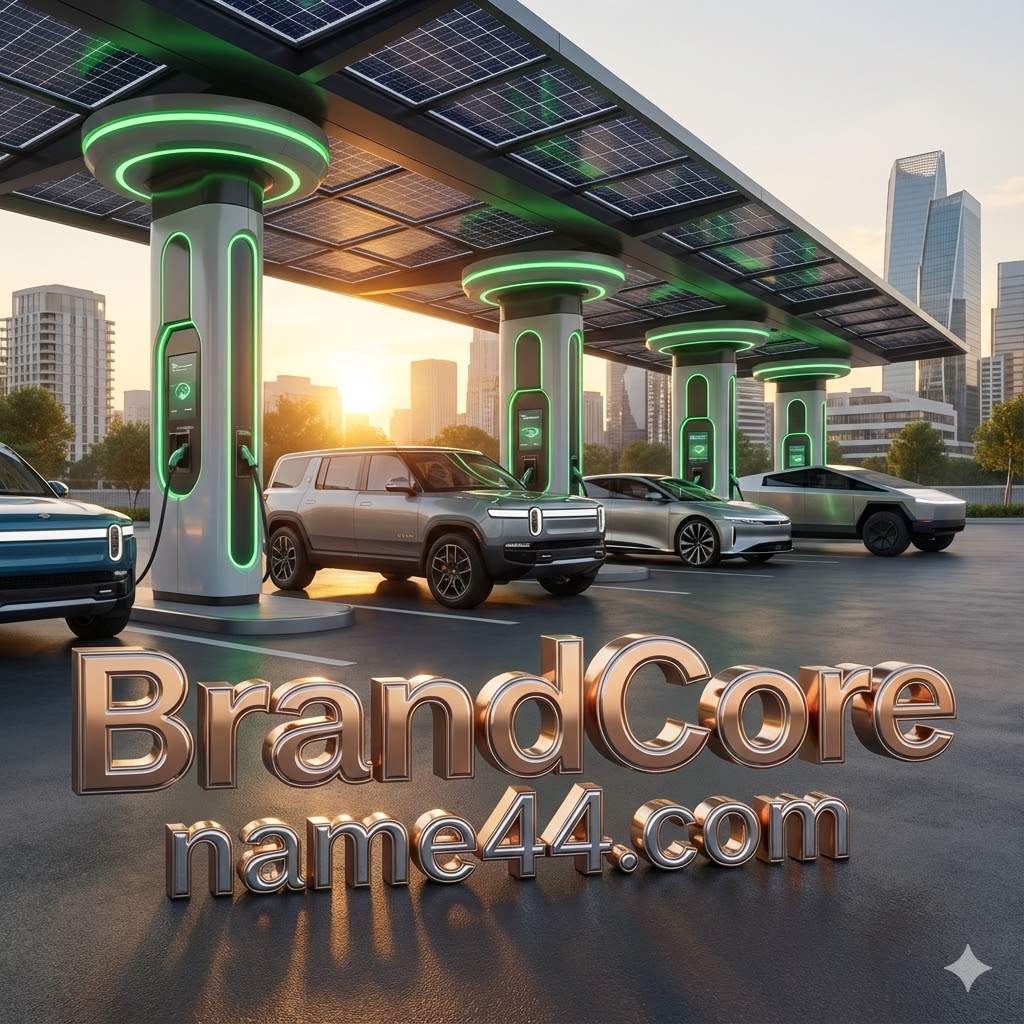
Figure 1: Visualization of a Level 3 DC Fast Charging Hub in the US Market, 2026.
Last Updated: December 2025 | By: BrandCore Team
The internal combustion engine is fading into history. As we navigate through 2026, the United States is witnessing the most significant transformation in transportation since the Ford Model T. For entrepreneurs and forward-thinking investors, this shift presents a once-in-a-century opportunity: The Electric Vehicle (EV) Charging Station Business.
With the federal government’s NEVI (National Electric Vehicle Infrastructure) formula funds fully active and EV adoption rates hitting critical mass, the demand for public charging infrastructure has never been higher. However, this is not a “build it and they will come” industry. It requires strategic location planning, understanding of kilowatt-hours (kWh) economics, and a robust brand identity.
This comprehensive EV Charging Station Business Plan 2026 is your roadmap. We will dissect the costs of Level 2 vs. DC Fast Chargers, analyze the profitability models, and explore how to build a brand that drivers trust.
1. Market Analysis: The US EV Landscape in 2026
By 2026, it is estimated that over 25% of all new car sales in the US will be electric. The “range anxiety” that plagued early adopters is being replaced by “charging anxiety”—the fear of finding a working, fast charger. This gap between the number of EVs on the road and the number of reliable public ports is where your business opportunity lies.
Key Growth Drivers
- Federal Incentives: The Inflation Reduction Act and NEVI program continue to subsidize up to 80% of installation costs in specific corridors.
- Corporate Fleets: Major logistics companies (Amazon, FedEx, UPS) have electrified their fleets, creating a massive B2B demand for overnight charging depots.
- Urban Dwellers: Millions of apartment residents in cities like New York, Chicago, and Los Angeles have no home charging access, relying entirely on public hubs.
⚡ Power Up Your Brand Identity
In a market dominated by giants like Tesla Superchargers and Electrify America, an independent network needs a name that sparks trust and energy. “Joe’s Chargers” won’t cut it. You need a brand that sounds like a tech utility.
Find your electrifying name in seconds using AI.
Generate EV Business Names
2. Business Models: How to Make Money
In 2026, selling electricity is just the beginning. The most successful stations operate as “Energy Hubs” with multiple revenue streams.
Primary Revenue Streams
1. Direct Charging Fees (kWh or Time-based):
The most common model. In 2026, the average price for DC Fast Charging is around $0.45 – $0.60 per kWh. With an average fill-up taking 40 kWh, that’s $18 – $24 per session.
2. Ad Revenue (DOOH):
Digital Out-of-Home advertising screens on the chargers. Local businesses pay to display ads to captive audiences waiting for their cars to charge (20-30 mins).
3. Retail & Convenience:
The “Gas Station Model” reinvented. Offering premium coffee, high-speed Wi-Fi lounges, or automated convenience stores increases the average transaction value significantly.
3. Technical Requirements: Level 2 vs. Level 3
Understanding the hardware is non-negotiable. You cannot run this business without knowing the difference between AC and DC charging.
Comparison of Charger Types
| Feature | Level 2 Chargers (AC) | Level 3 (DC Fast Chargers) |
|---|---|---|
| Charging Speed | Adds 20-30 miles of range per hour. | Adds 100+ miles of range in 15-20 mins. |
| Ideal Location | Hotels, Offices, Malls (Long dwell time). | Highways, Gas Stations, Urban Hubs. |
| Hardware Cost | $2,500 – $6,000 per port. | $40,000 – $150,000 per port. |
| Grid Power Needed | 208/240 Volt (Standard Commercial). | 480 Volt (3-Phase Industrial Power). |
Recommendation for 2026: For a standalone business, a mix of 80% DC Fast Chargers and 20% Level 2 is the winning formula to attract high turnover traffic.
4. Financial Feasibility: The Investment
Let’s look at the numbers. Opening a station is capital intensive. Below is a detailed breakdown for a 4-port DC Fast Charging station in a suburban area.
Estimated Startup Costs (2026)
| Expense Category | Low End Estimate ($) | High End Estimate ($) | Notes |
|---|---|---|---|
| Site Preparation & Permitting | $20,000 | $60,000 | Trenching, concrete pads, permits. |
| Utility Upgrades (Transformer) | $15,000 | $80,000 | Bringing 480V power to the site. |
| Equipment (4 DC Fast Chargers) | $160,000 | $250,000 | Hardware purchase cost. |
| Software & Networking | $5,000 | $10,000 | Payment processing integration. |
| Branding & Signage | $5,000 | $15,000 | Canopy, lighting, totems. |
| Total Investment | $205,000 | $415,000 | Before grants/rebates. |
Note: Federal and State grants can offset 30% to 80% of these costs, significantly improving ROI.
Annual Profit Projections (Year 2)
Assuming a utilization rate of 15% (which is conservative for 2026 standards):
- Daily Sessions per Charger: 8 sessions.
- Revenue per Session: $20.
- Total Daily Revenue (4 Chargers): $640.
- Annual Gross Revenue: ~$233,600.
- Electricity Cost (COGS): ~$140,000 (varies by utility demand charges).
- Net Operating Income: ~$60,000 – $80,000 per year.
5. Location & Branding Strategy
You are not just selling energy; you are selling convenience and reliability. The location must be safe, well-lit, and accessible 24/7. But equally important is your digital presence.
Digital Visibility
In 2026, EV drivers find stations via apps like PlugShare, Google Maps, and their car’s dashboard. If your brand name is weak or your station isn’t listed with high-quality photos, you simply won’t exist to them.
Your brand needs to convey speed and eco-friendliness. Names like “VoltPoint,” “HyperCharge,” or “GreenLoop” work well. Avoid generic names that get lost in the map pins.
💡 Don’t Get Lost on the Map
Your business name is the pin drivers click on. Ensure it stands out and is memorable. Check available domains and get premium name ideas now.
Create Your EV Brand Name
Conclusion
The EV Charging Station business in 2026 is a blend of infrastructure real estate and high-tech retail. It is not a “get rich quick” scheme, but a long-term asset play. With the right location, smart utilization of government grants, and a brand that drivers trust, you can build a portfolio of stations that generates passive income for decades.
The transition to electric is inevitable. The question is, will you own the infrastructure that powers it?
Frequently Asked Questions (FAQ)
How much does it cost to start an EV charging station in 2026?
For a commercial DC Fast Charging station with 4 ports, the cost ranges from $200,000 to $450,000 before incentives. Level 2 stations are much cheaper, ranging from $10,000 to $30,000 for a multi-port setup.
Is an EV charging business profitable?
Yes, but it depends on utilization rates. Profitability typically begins when chargers are in use for 10-15% of the day. Ancillary revenue from ads or retail can boost margins significantly.
What are NEVI funds?
The National Electric Vehicle Infrastructure (NEVI) Formula Program provides funding to states to deploy charging infrastructure. It can cover up to 80% of project costs for stations located along designated alternative fuel corridors.
How do I choose a name for my EV business?
Choose a name that implies speed, energy, and sustainability. It should be short enough to look good on a map pin. Use the BrandCore Business Name Generator for ideas.
Sources & References
- US Department of Energy: Alternative Fuels Data Center – Charging Infrastructure Costs (2025).
- BloombergNEF: Electric Vehicle Outlook 2026.
- ChargePoint: The State of Charging Report 2025.
- McKinsey & Company: Building the EV Infrastructure of the Future.
