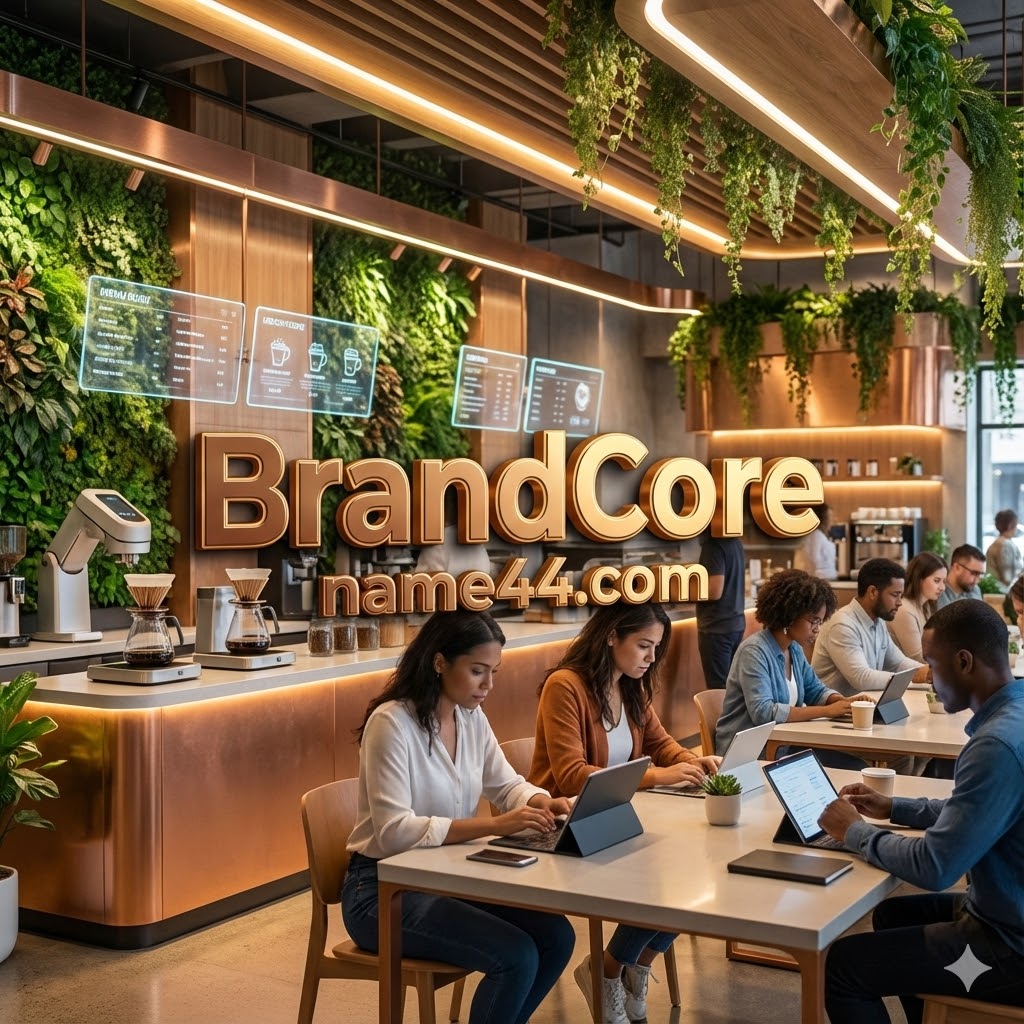
A projection of a modern coffee shop layout in the US market for 2026.
Starting a business in the United States is a venture that requires precision, foresight, and data. As we approach 2026, the landscape for the “Third Wave” coffee movement is evolving into a more tech-integrated and experience-driven industry. This comprehensive Coffee Shop Feasibility Study 2026 provides a deep dive into the financial, operational, and marketing realities of launching a successful café in the US. Whether you are aiming for a cozy neighborhood spot in Seattle or a high-traffic kiosk in NYC, this guide covers every critical angle.
We will explore detailed startup costs, projected revenue streams, and the crucial element that often makes or breaks a brand: its identity and name. Let’s decode the profitability of the caffeine economy.
1. Market Analysis: The US Coffee Industry in 2026
The US coffee shop market is projected to reach unprecedented heights by 2026. Despite market saturation in major metropolitan areas, the demand for specialty coffee, sustainable sourcing, and unique “instagrammable” experiences continues to drive growth. The shift is moving away from generic chains towards hyper-localized branding and automated service models.
Key Trends Shaping 2026
- Tech-Enabled Convenience: Mobile ordering and AI-driven loyalty programs are no longer optional; they are standard expectations.
- Sustainability First: Consumers in 2026 are willing to pay a premium (up to 15% more) for ethically sourced beans and compostable packaging.
- Functional Beverages: Menus are expanding to include mushroom coffee, adaptogens, and CBD-infused brews.
🚀 Crucial First Step: Naming Your Brand
Before diving into logistics, remember that your brand name is your first impression. In a crowded market, a generic name spells failure. You need a name that resonates, sticks, and defines your vibe.
Don’t leave it to chance. Use our advanced AI tool to generate the perfect business name in seconds.
Try Business Name Generator Now
2. Technical and Operational Feasibility
Operational efficiency is the backbone of any food and beverage venture. For a coffee shop in 2026, this goes beyond just having a good espresso machine. It involves a synergy between human baristas and smart automation.
Location Strategy
The adage “Location, Location, Location” remains true, but the definition of a “good” location has shifted. High foot traffic is expensive. In 2026, “Ghost Kitchens” for coffee delivery and “Micro-Cafes” (under 500 sq ft) are becoming the most financially viable models due to rising real estate costs in urban centers.
Equipment & Technology
To compete, your equipment list must include high-efficiency espresso machines (like La Marzocco or Slayer), but also a robust POS system (Point of Sale) that integrates inventory management and customer relationship management (CRM). Neglecting the tech stack is a common feasibility error.
3. Financial Feasibility: The Numbers (2026 Projections)
This is the core of our study. Below is a detailed breakdown of the estimated startup costs for a standard 1,200 sq. ft. coffee shop in a mid-tier US city. Note that these figures are adjusted for 2026 inflation rates.
Estimated Startup Costs
| Expense Category | Low End Estimate ($) | High End Estimate ($) | Notes |
|---|---|---|---|
| Lease Security & Renovation | $40,000 | $120,000 | Depends heavily on previous condition. |
| Equipment (Espresso, Brewing, Refrigeration) | $25,000 | $55,000 | Includes high-end espresso machine. |
| POS System & Tech Stack | $3,000 | $8,000 | Hardware and software licenses. |
| Initial Inventory | $5,000 | $12,000 | Coffee beans, milk, syrups, cups. |
| Licensing & Permits | $2,500 | $7,000 | Health dept, business license, etc. |
| Marketing & Branding (Launch) | $3,000 | $10,000 | Website, signage, social ads. |
| Total Estimated Capital | $78,500 | $212,000 | Capital needed to open doors. |
Monthly Operating Expenses vs. Revenue
Feasibility isn’t just about opening; it’s about staying open. The following table illustrates a conservative monthly Profit & Loss (P&L) projection for the first year of operation.
| Item | Monthly Amount ($) | Percentage of Sales |
|---|---|---|
| Projected Revenue | $35,000 | 100% |
| Cost of Goods Sold (COGS) | $12,250 | 35% |
| Gross Profit | $22,750 | 65% |
| Labor Costs | $10,500 | 30% |
| Rent & Utilities | $4,500 | ~13% |
| Marketing & Misc. | $1,500 | ~4% |
| Net Profit (Before Tax) | $6,250 | ~18% |
Note: A net profit margin of 10-18% is considered healthy for an independent coffee shop in the US market.
4. Branding: The Hidden Asset
In the feasibility equation, “Brand Equity” is often undervalued. Your brand name dictates your logo, your signage, your domain URL, and your social media handle. If you choose a name that is hard to spell or forgettable, your marketing costs will double because you have to work harder to be remembered.
A strong brand name should be:
- Short and Punchy: Ideally under 12 characters.
- Available: The .com domain must be open.
- Evocative: It should hint at the experience (e.g., “Roast & Grind” vs. “Joe’s Shop”).
💡 Struggling for a Name?
Finding a name that meets all these criteria can take weeks. Save time and get professional-grade suggestions instantly.
Our tool analyzes market trends to suggest names that sell.
Generate Unique Business Names Here
5. SWOT Analysis for 2026
To round off this feasibility study, we must look at the Strengths, Weaknesses, Opportunities, and Threats facing new entrants.
Strengths & Weaknesses
Strengths: High profit margins on coffee beverages (often 300%+ markups), daily habitual product, strong community connection potential.
Weaknesses: High staff turnover rates, perishable inventory management, intense morning peak hours requiring speed.
Opportunities & Threats
Opportunities: Subscription models for beans (recurring revenue), partnering with local bakeries, evening hours for wine/coffee cocktails.
Threats: Rising cost of green coffee beans due to climate change, saturation from big chains (Starbucks, Dunkin’), economic downturns affecting discretionary spending.
Conclusion
Is opening a coffee shop in 2026 feasible? The answer is a resounding yes, provided the business plan is grounded in financial reality and elevated by exceptional branding. The US market is hungry for authentic connection and quality products. By controlling your initial capital expenditure and focusing on a high-margin menu, you can build a profitable asset.
However, never underestimate the power of your identity. Your journey starts with a name. Make sure it’s the right one.
For more tools to help you launch, explore our internal resources on How to Start a Business.
Frequently Asked Questions (FAQ)
How much does it cost to start a coffee shop in 2026?
On average, starting a sit-down independent coffee shop in the US costs between $80,000 and $250,000, depending on location, size, and equipment choices.
Is a coffee shop a profitable business?
Yes, successful coffee shops typically see profit margins between 10% and 18%. High sales volume and efficient inventory management are key to profitability.
What is the most important factor for success?
While coffee quality is important, location and branding are often the deciding factors. A memorable name and a convenient spot drive the initial traffic needed to survive.
How do I choose a name for my coffee business?
Focus on simplicity, relevance, and availability. Use tools like the Business Name Generator to brainstorm available and catchy options.


